Will Hormuz be a catalyst for a fertiliser-driven food crisis?
Corporate updates,
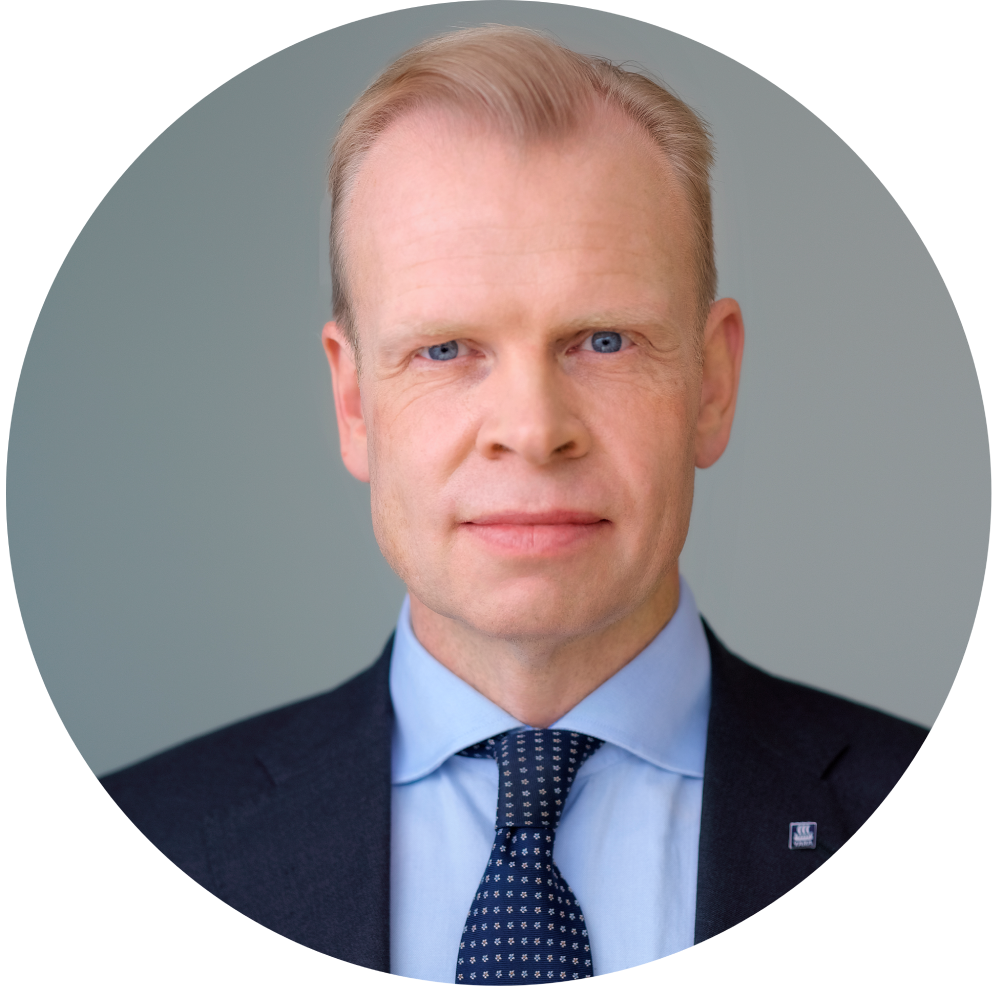
With the closure of the Strait of Hormuz, Svein Tore Holsether, President and CEO of the fertiliser-company, Yara International, joins ICC’s Andrew Wilson to detail what fertiliser supply disruptions mean for food production and food security worldwide. Svein Tore explains the risk of crop failures in the world’s most vulnerable regions, what governments can do to mitigate the damage and why this crisis should strengthen rather than weaken the case for climate action.
With the closure of the Strait of Hormuz, Svein Tore Holsether, President and CEO of the fertiliser-company, Yara International, joins ICC’s Andrew Wilson to detail what fertiliser supply disruptions mean for food production and food security worldwide. Svein Tore explains the risk of crop failures in the world’s most vulnerable regions, what governments can do to mitigate the damage and why this crisis should strengthen rather than weaken the case for climate action.
ICC’s Deputy Secretary General, Andrew Wilson, is joined by Svein Tore Holsether, President and CEO of Yara International, one of the world’s leading fertiliser and crop nutrition companies. While global attention has focused on the energy market implications of a closure of the Strait of Hormuz, this conversation explores a less visible but potentially far-reaching consequence: disruption to global fertiliser supplies and the risks it poses to food production and food security worldwide.
From the outsized role of the Strait of Hormuz in global urea trade to the compounding pressures on farmers already squeezed by rising input costs, they discuss why the decisions being made on fertilizer trade and application today could shape crop yields – and food availability – for years to come.
Guest speaker:
Svein Tore Holsether
President and CEO, Yara International ASA
Hosted by:
Andrew Wilson
Deputy Secretary General, International Chamber of Commerce
Listeners will gain insight into:
what is happening in the global fertilizer market and why the Strait of Hormuz closure is a food security crisis, not just an energy crisis
how the economics of farming are being squeezed, with input costs rising while crop prices remain flat
why the impacts on crop yields in developing regions could be severe and long-lasting, with some studies pointing to yield drops of up to 50% in certain crops where nitrogen fertilizer is unavailable
what governments and institutions can do to mitigate the crisis and why targeted, market-compatible support matters more than short-sighted blanket support
how technology, precision farming and AI are driving a fourth agricultural revolution that could make food systems more resilient for the future
why the current crisis should not become a reason to dial back on climate action and why a profitable, incentivised green transition is needed to act at scale
This episode was recorded on 5 June 2026.
*Disclaimer: The content of this podcast may not reflect the official views of the International Chamber of Commerce. The opinions expressed are solely those of the authors and other contributors.